Night walks with weary steps
around land and dwelling.Around the Earth the sun has left,
the shadows nest and brood.Then into our darknes
she comes, carrying flickering candles.
- My liberal translation of the Swedish hymn “Santa Lucia”
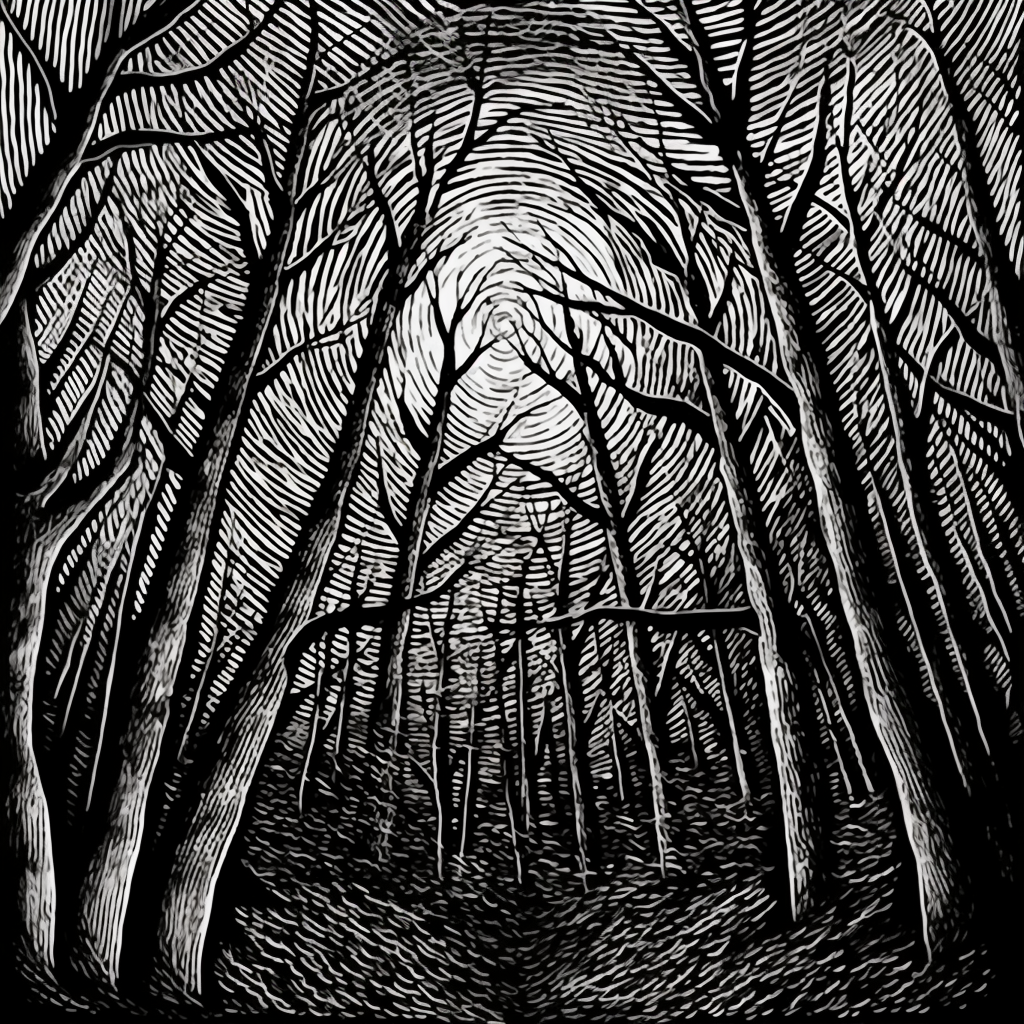
If you live sheltered from streetlights, in a northern wooded valley with as many windows as my home has, you grow intimate with the seasons of light. You learn to read the year by how the sun moves through your rooms—where it falls, and for how long. This becomes especially clear in these darkening weeks, as daylight bleeds away earlier each afternoon. The woods stand bare, their branches scratching the gray sky like old handwriting. All color fades to brown and silver in the year’s dying light.
Summer feels distant now. Then, we ate dinner beneath skies still glowing, the last light lingering past nine o’clock, the valley alive with the chorus of katydids and tree frogs. Now, the evening meal is taken in the same darkness as midnight. Instead of that living chorus, there is silence, broken only by the sigh of dry leaves rustling in a cold breeze.
In a nearby neighborhood, people respond to the turning season by hanging lights. Strands of blinking color trace the rooflines. Plastic reindeer and inflatable Santas glow against the night. I understand the impulse. The dark is cold. We crave warmth, color—we want the party to start now.
But something is lost in the rushing.
Yesterday, December 13th, was the quiet celebration of Santa Lucia—a young Sicilian girl and early Christian martyr. Her name means “light-bearing.” She refused to worship the Roman gods, and for this, they first took her eyes, and then her life.
Although she is a southern Catholic saint, Lucia is most remembered today by the largely secular people of Scandinavia, where winter swallows nearly all the light. There, she has become less saint than season. She represents the quiet, undeniable strength of a child bearing light into the darkness.
She does not pretend the dark is bright or the cold is warm. She says: It is dark. It is cold. It will be for a long time. That is why I am here. I stand with you, carrying a small flame through the long season before spring.
Anyone who has built a wood fire, sprouted a seed, or raised a child knows: the first spark, the moment of birth—these are only the first words in a longer sentence. A quiet beginning, with much work ahead. The small flame must be tended, fed, sheltered from drafts until it catches and holds. Only after patient effort does the fire throw its warmth into the room. The celebration comes once the flame survives.
Something is lost in the rushing—the same thing lost when we skip to the end of a story, when we seek warmth without building the fire.
There is something in that patient work that is tragic to lose. The long nights ask something of us—not to chase the darkness away, but to sit with it. To tend a small flame with our own hands. To wait. To endure the long night, bearing delicate flame.
This morning, I watched the gray light arrive through bare branches covered with the first significant snow of the year. A single electric candle shines on my windowsill.
Outside, all the green has vanished, the valley cloaked in an immaculate white, as the year turns toward its darkest point.
And beyond it, so slowly, the return of the light.